

Exactly one year ago, I packed up my things and set off on a 30-hour drive to Salt Lake City, where I had taken a job with the U.S. Forest Service on the Trails and Wilderness crew for the Salt Lake Ranger District. I was uprooting my life—leaving behind friends, family, and familiarity—to chase a feeling I couldn’t ignore: a pull to go farther than I ever had, and work land I did not yet know.
At the time, I had been living at home and working at REI after a six-month stint with the Maine Conservation Corps, where I first got a taste of trail work and life in the woods. When I returned from Maine, I felt restless. Stuck. That same feeling had driven me to Maine in the first place—quitting my job to spend a season building trails and living simply. It was one of the hardest and most rewarding things I’d ever done. I learned how to use tools, push my limits, live without comfort, and lean into change. I left with skills, memories, and friendships I’ll carry for life.
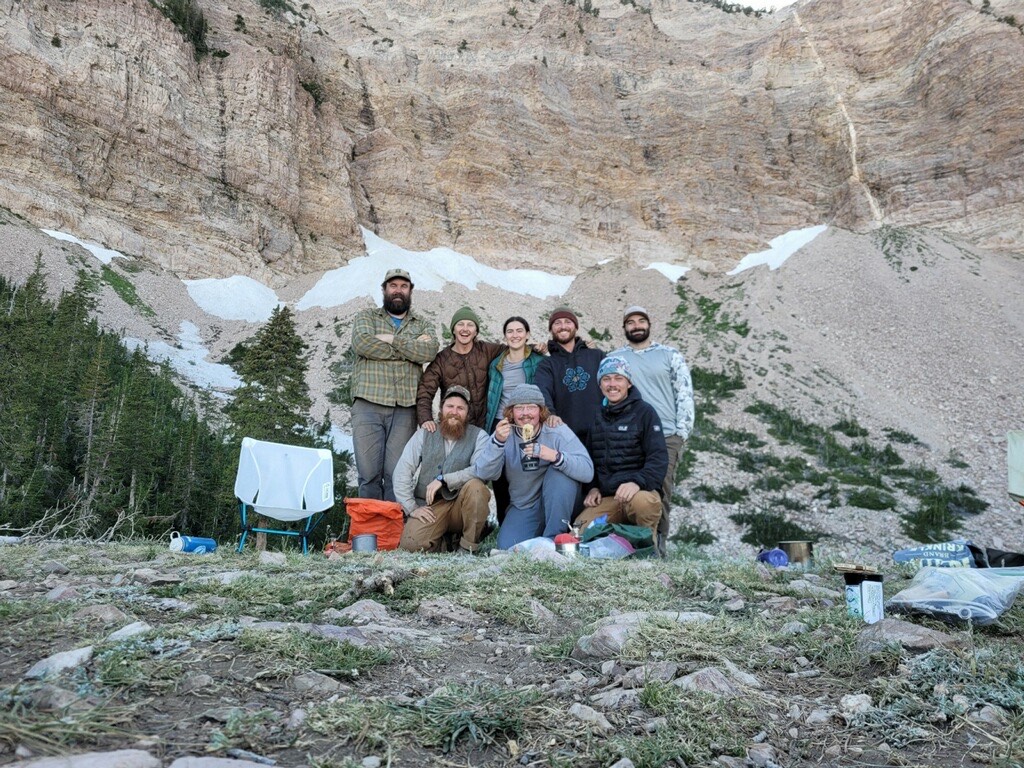
I had been planning to return to the Forest Service this May after working at a ski resort for the winter. But that plan was abruptly crushed when I, along with thousands of other public servants, was laid off due to sweeping federal job cuts under the Trump administration’s Department of Government Efficiency (DOGE). Roughly 5,000 public lands employees were laid off – including those in the National Park Service, Bureau of Land Management, and Forest Service.
These cuts are more than just numbers on a budget sheet – they represent a significant blow to the stewardship of our nation’s public lands. With this article I aim to shed light on the indispensable role of the U.S. Forest Service, the profound impacts these layoffs will have, and why investing in our public lands is more critical now than ever before.
Most people don’t realize how far the Forest Service’s work actually reaches. It goes well beyond wildfire response or seeing a ranger in uniform at the fee station. My crew spent our seasons building and clearing trails, managing erosion, sawing hazard trees, and engaging with the public to ensure they were recreating safely and following wilderness and watershed regulations. It is very physical, often invisible work. We did everything by hand, often hiking tools and equipment several miles into wilderness trails. Other crews in my district were directly responsible for the maintenance of recreational sites on national forests.
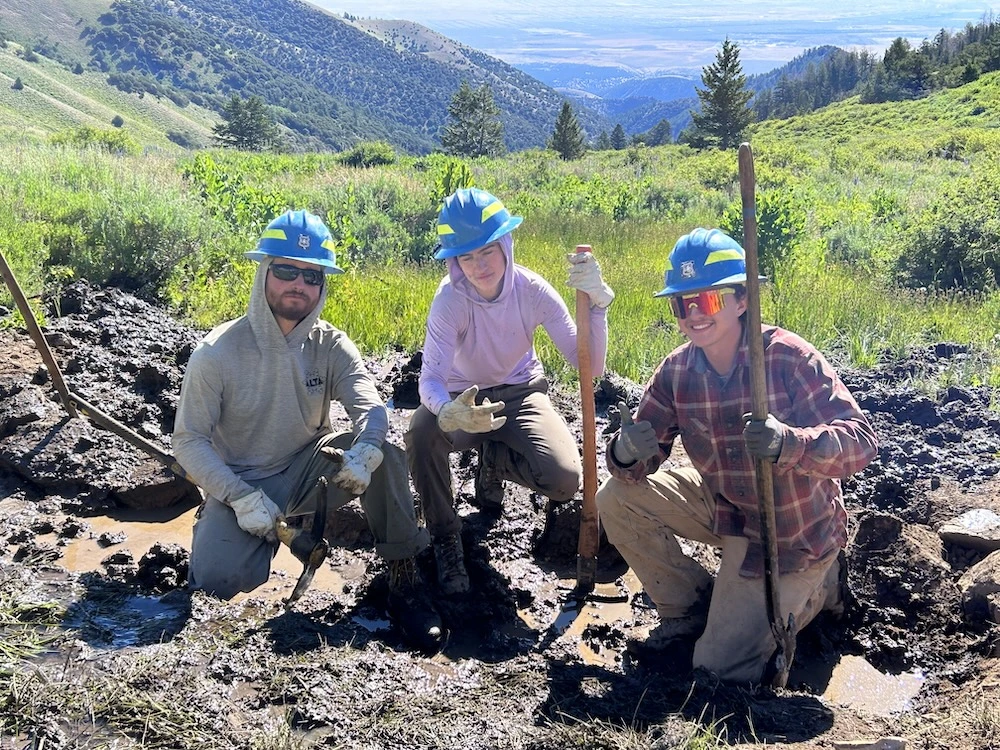
Over 3,000 employees have been fired from the Forest Service. That’s over 10% of the workforce. And we are already seeing the impacts of these cuts. Along with the institution of new layers of review by DOGE, the gutting of seasonal and probationary workers has already led to critical functions going undone. Processes such as getting janitorial contracts approved that used to take minutes are now taking a month or longer. Trash is piling up and pit toilets and campgrounds are going uncleaned.
Laying off seasonal and newer probationary employees does not eliminate inefficiency and waste. It cuts off the future of the public lands workforce and disproportionately affects on-the-ground staff such as my crew – trail workers, wilderness rangers, botanists, fire mitigation staff, and seasonal workers. Not administrative roles, but the people responsible for maintaining trails, ensuring public safety, and managing campgrounds, who were already working long and underpaid hours. The result will be a drastic and significant decline in the outdoor recreational experience. Several projects were already stalled with the hiring freeze last Fall. With fewer people in the field, that backlog will only continue to grow.
In a state where public lands are already under constant threat, these cuts are just another attack on one of the last commons we have.
Beyond just recreation, these cuts will also have a severe effect on emergency preparedness and response. There is more to wildfire mitigation than emergency fire response. Hampering fuel reduction efforts such as harvesting and prescribed burning will increase the risk of uncontrolled wildfires and stretch firefighting resources thinner than they already are.
These cuts are not just statistics. They represent people who dedicated themselves to public service and the protection of our public lands. As my former crew member Ryan Sauer put it:
“Working on the Forest Service trail crew was the first job that felt truly worthwhile, like it benefited people. We were maintaining public lands that offer free, accessible ways for people to connect with nature. Being laid off felt like more than losing a job—it felt like losing something meaningful, both personally and collectively. In a state where public lands are already under constant threat, these cuts are just another attack on one of the last commons we have.”
Personally, my firing was devastating. I had found work that was meaningful. Where I could use my body and mind, and be a part of a team and a common mission. Then one “Fork in the Road” email told me it was over. No contingency plan, just a sudden severance from a job I loved and believed in, and people I had formed deep bonds and cared for the land with. Most of us signed up knowing the pay was modest and the work was hard. We did it because we cared. And the work we left behind will go undone.
The Forest Service cannot function without its people. Trails don’t maintain themselves, fires don’t prevent themselves, and public lands cannot be protected without stewardship. If you love your forests, if you’ve ever hiked, camped, fished, now is the time to make your voice heard. Call your representatives and tell them that you support funding for the Forest Service and the reinstatement of critical jobs. Support and volunteer with your local conservation groups. Tell your friends to get involved. Recognize that our public lands require sustained investment in the people that dedicate their lives to caring for them. We were there, and we want to be there again. Not just for a paycheck, but for the forests and the people that love them. When you cut jobs like mine, you don’t increase efficiency. You gamble with the future of the land we all share.